Siglufjörður: the herring town
Iceland's northernmost town was the herring capital of the North Atlantic, then nearly emptied. The museum is the best outside Reykjavík. What else is there.
The short version
- Siglufjörður is 66°N, about 75 minutes from Akureyri through two tunnels.
- The Herring Era Museum spans three buildings and needs two hours, not the forty minutes people give it.
- Until 2010 the town was a dead end. The Héðinsfjörður tunnels made the northern loop drivable.
- Local guided walks start at €35; kayak and boat trips on the fjord are €94 to €102.
Go for the museum and stay for the harbour. Siglufjörður is the best-restored small town in Iceland and the Herring Era Museum is the best museum in the country outside Reykjavík, which is a large claim we are comfortable making.
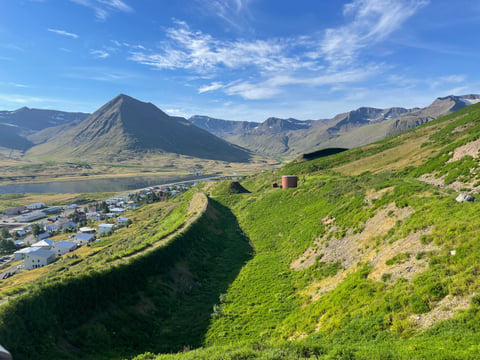
It sits at 66 degrees north in a steep fjord on the Tröllaskagi peninsula, about seventy-five minutes from Akureyri.
What happened here
For roughly fifty years from the 1900s, this fjord was the herring capital of the North Atlantic. Twelve thousand people worked here in the summer season in a town built for two thousand. Boats moored five deep at the pier. Iceland’s foreign earnings ran through the salting stations on this waterfront, and Siglufjörður was, for a while, one of the richest places in the country.
Then in the late 1960s the herring did not come back. The stock had been fished past recovery and the fleet had nothing to catch. The town lost most of its people inside a decade.
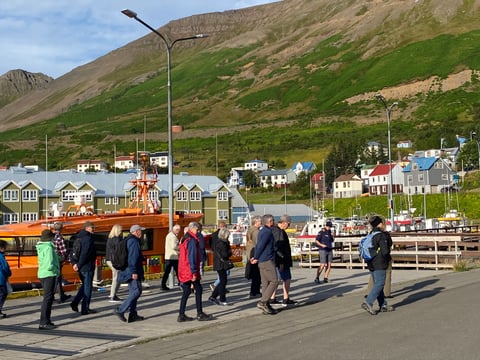
That is the story the museum tells, and it tells it across three separate buildings — the salting station, the boathouse and the factory — with the machinery in place and the smell of tar still in the timber. Give it two hours. Most people budget forty minutes because they think it is one room about fish, and they are wrong on both counts.
The tunnels changed everything
Until 2010, Siglufjörður was the end of the road. You drove in from Skagafjörður through a single old tunnel and you drove back out the same way, and that dead-end geography is a large part of why the town nearly died after the herring went.
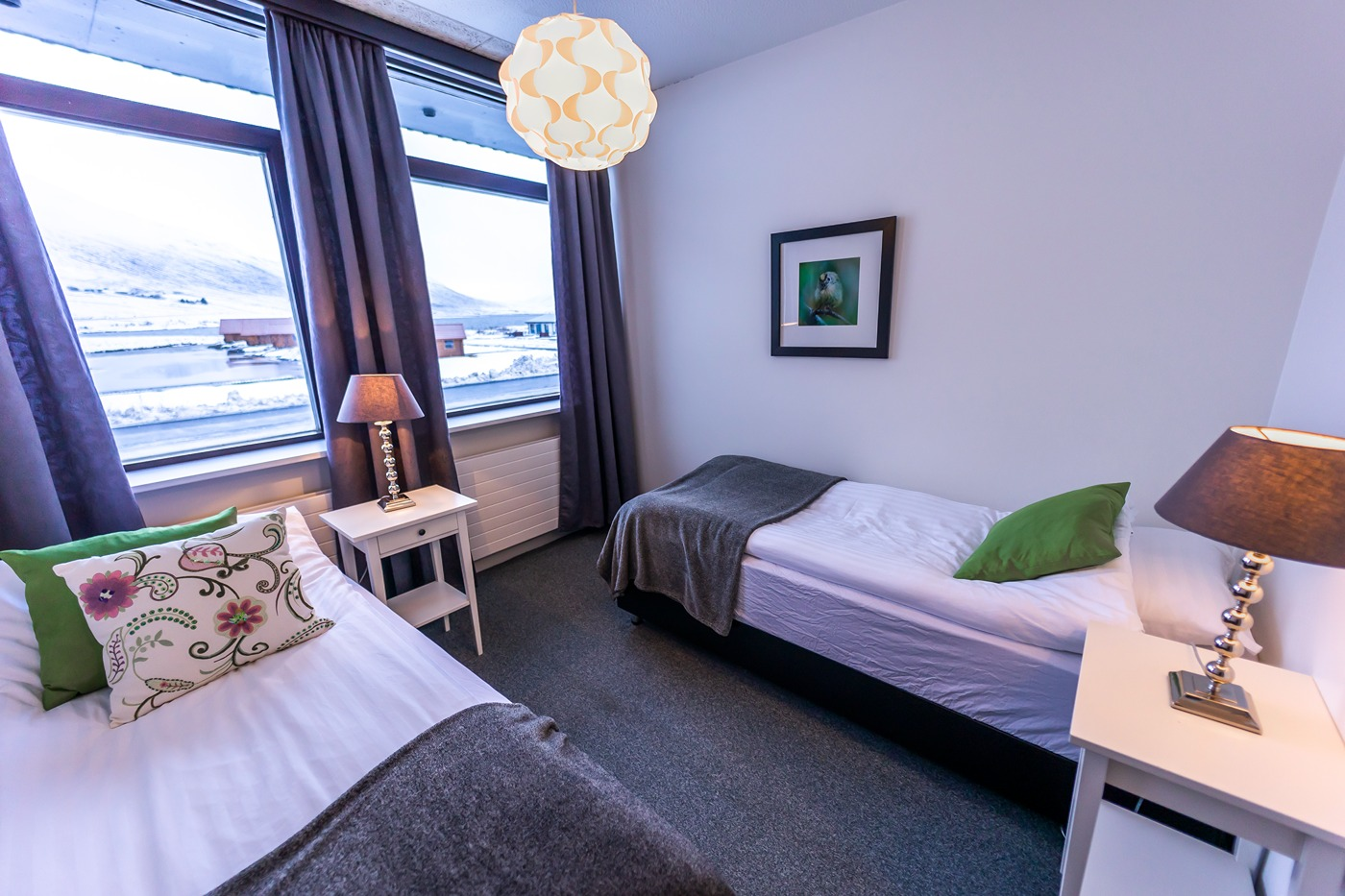
Then the Héðinsfjörður tunnels opened, connecting it east to Ólafsfjörður and on to Dalvík and Akureyri. Overnight the town became a stop on a loop rather than a cul-de-sac, and it has been quietly rebuilt since — the harbour front restored, a hotel, restaurants, a golf course in the valley.
The practical effect for a visitor: the Tröllaskagi coast road from Akureyri round to Skagafjörður is now one of the better drives in the north, and Siglufjörður is the natural lunch stop halfway.
What to do beyond the museum
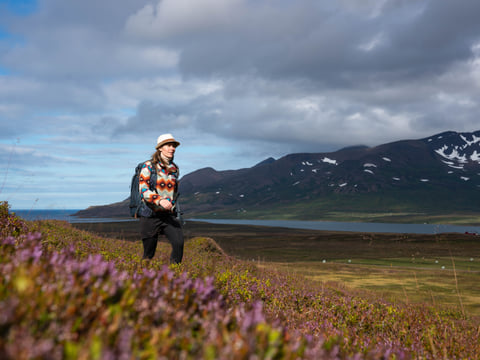
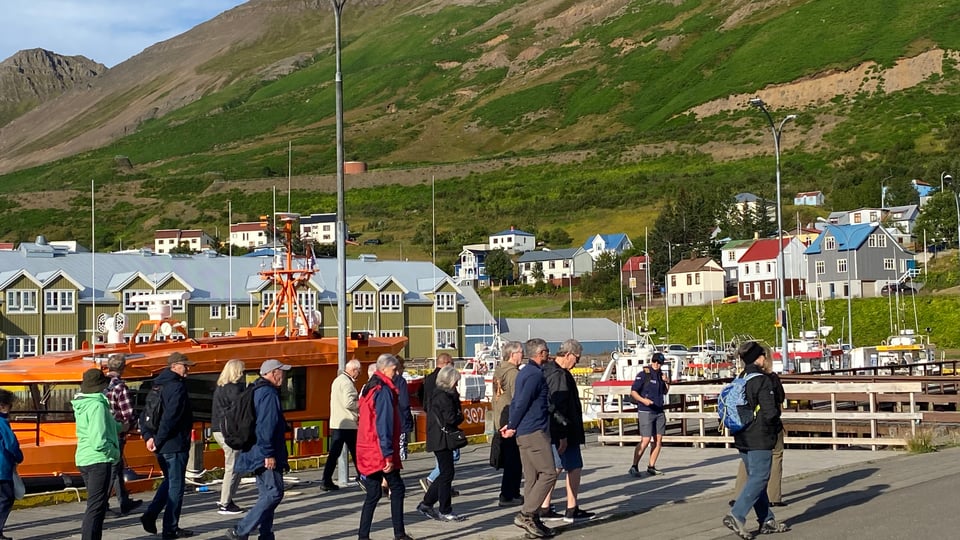
Sóti Summits are the local guiding outfit and run most of what there is. Their Sigló Stroll is an hour from €35 — a guided walk through the town with the history attached, which is the right way to see a place whose interest is mostly in what used to be there. The longer Hvanneyrarskál walking tour climbs the bowl above the town.
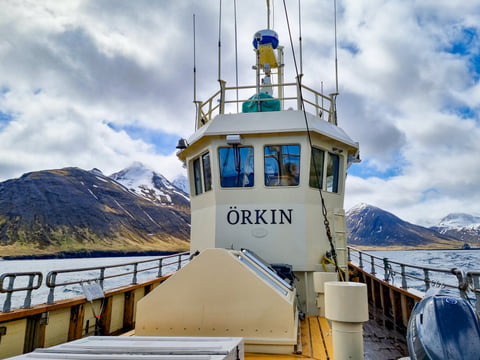
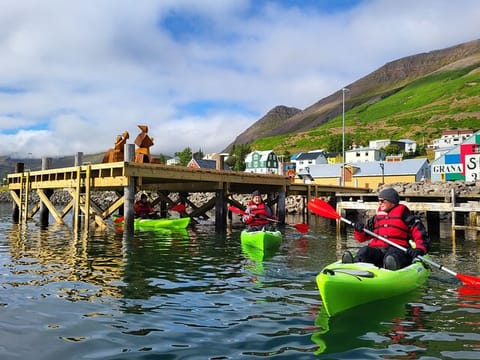
On the water, their boat tour from Siglufjörður is four hours from €102, and Sigló Sea’s guided kayak tour is two and a half hours from €94 on the fjord itself. A fjord this steep looks entirely different from sea level.
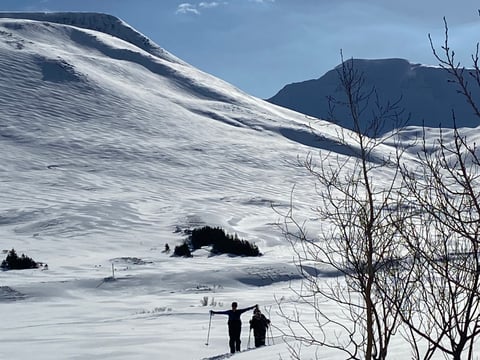
In winter there is snow here when there is none further south — the mountains hold it, which is why the town has a ski area. Sóti Summits’ two-hour snowshoeing trip is from €64 and needs no previous experience. Their four to six hour hiking tour at €119 is the summer equivalent for people who want height rather than distance.
One more thing that costs nothing: the Folk Music Centre in the old doctor’s house, small and eccentric and run by people who care a great deal about Icelandic rímur singing.
The honest downsides
It is far. Seventy-five minutes each way from Akureyri is most of a day once you have done the museum properly, and there is no public transport worth the name.
The weather in the fjord is its own thing — it can be still and bright in Akureyri and thick cloud here. And avalanche risk closes the road over the pass in winter from time to time, though the tunnels have made that far less of a problem than it was.
Our honest take
Worth the drive, and worth a night if you are doing the Tröllaskagi loop rather than doubling back. Take the Sigló Stroll at €35 first thing so the museum means something afterwards, then give the museum the full two hours.
If you have one day in north Iceland and have not seen Mývatn or been whale watching, do those first. Siglufjörður is the second visit to the north, not the first — but it is the one people talk about afterwards.