Iceland in October: what tours still run
Almost everything runs in October except the shared Highland day tours. Ice caves near Jökulsárlón open early in the month, and northern lights tours run nightly.
The short version
- Shared day tours to Landmannalaugar and Kerlingarfjöll show their last departures on 30 September in our calendars.
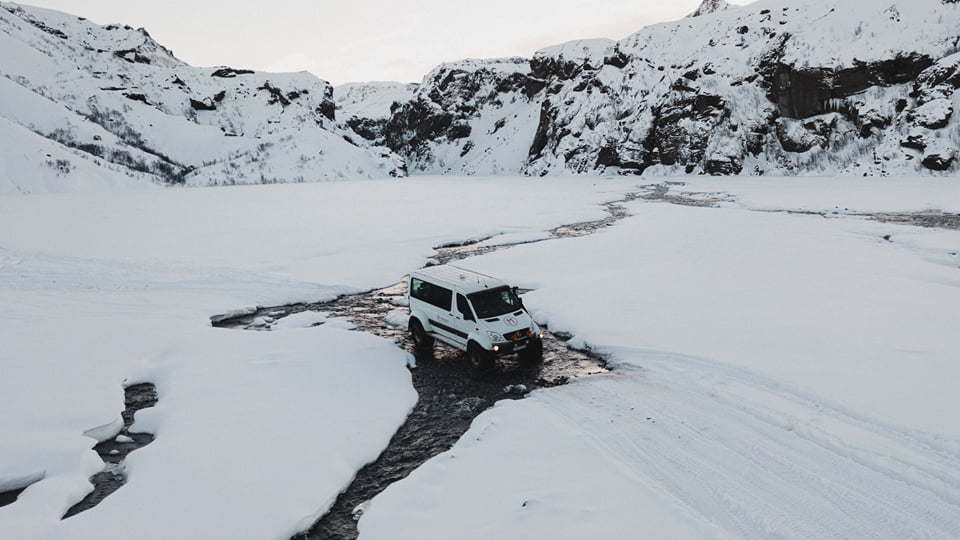
- Þórsmörk still runs by super jeep in October, from Hvolsvöllur.
- Vatnajökull ice cave tours near Jökulsárlón show departures from the first week of October.
- Glacier-top ice cave and snowmobile combos from Gullfoss start on 1 and 2 November, not in October.
- Reykjavík has roughly eleven hours of daylight on 1 October and about eight by 31 October.
Nearly everything runs in October. The one real loss is the Highlands: the shared day tours to Landmannalaugar and Kerlingarfjöll stop at the end of September. In exchange you get the start of the ice cave season near Jökulsárlón, long enough nights for the northern lights, and whale watching, the Golden Circle and the South Coast on their normal timetables with fewer people on them.
What the calendars actually show
We hold the booking calendars for every tour we sell, so we counted. On 1 October about 1,320 of our tours show a departure. By mid-October it’s about 1,430, and it stays there until the end of the month. October gets fuller, not emptier, which surprises people.
The reason is ice caves. In the last days of September about 30 ice cave tours have dates. In the first ten days of October it’s nearly 60. Northern lights tours go up too, from about 120 to about 135. Hiking, super jeep and whale tours stay roughly flat, then start to thin in November.
What stops: the Highlands
Every shared day tour to Landmannalaugar and Kerlingarfjöll we list shows its last date on 30 September. The mountain roads into the interior are unsurfaced, snow can arrive any week now, and the operators stop before it does. A few private super jeep tours carry on into mid-October, at private prices.
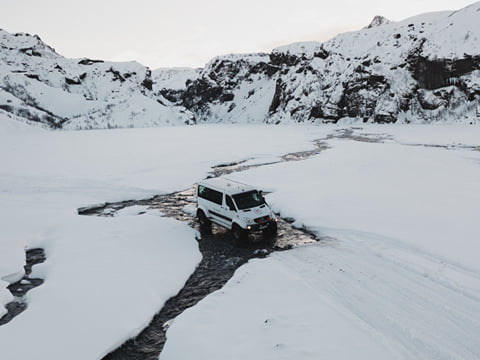
The exception is Þórsmörk, the valley between three glaciers north of Skógar. It’s reached by a track with unbridged rivers rather than a mountain pass, and Midgard’s Þórsmörk Super Jeep from €285 has dates on most days of October. It leaves from Hvolsvöllur, so you need your own way there, and it’s seven hours. If you wanted a taste of the interior this autumn, this is the one we’d book.
What starts: ice caves
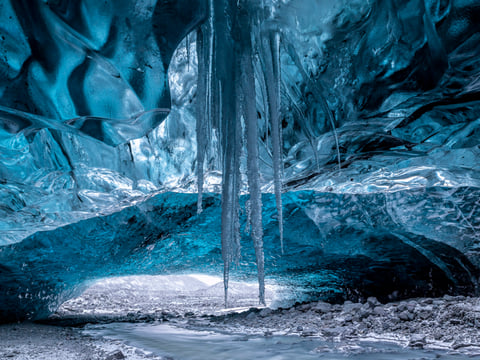
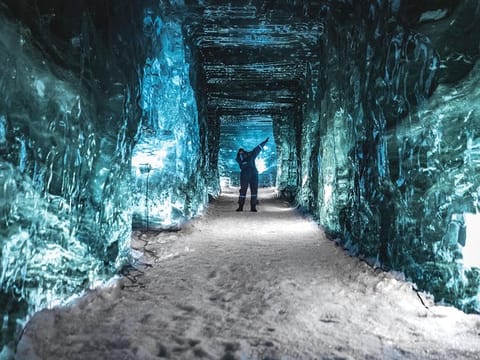
The natural ice caves under Vatnajökull form in summer meltwater and become safe to enter once it gets cold. This year’s calendars show departures from the first week of October. Blue Iceland’s Blue Ice Cave Adventure from €161 leaves from Jökulsárlón at 09:30 and 14:00 and has dates from 3 October. That’s five hours’ drive from Reykjavík, so it only works if you’re staying in the southeast.
Be honest with yourself about what an early-season cave is. Fewer caves are open than in January, and a warm, wet week can close them at short notice. Book it as the thing you’d like to do, not the thing the trip depends on. If you’re coming from Reykjavík without a car, the 2-day South Coast and Glacier Lagoon tour from €474 has a night in the southeast and an optional ice cave on day two.
The ice caves you reach by snowmobile on Langjökull are later. The Ice Cave and Snowmobile Tour from Gullfoss from €233 has its first date on 2 November. Into the Glacier, the man-made tunnel on the same glacier, runs all year.
Northern lights and whales
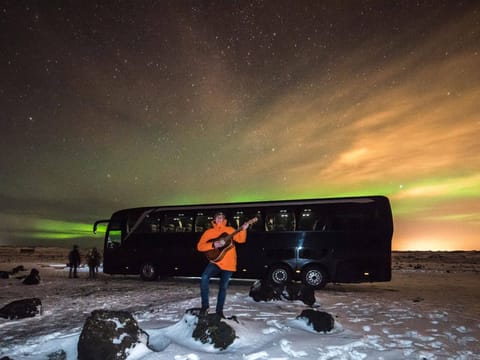
October nights are long enough to hunt the lights every evening. The Northern Lights Bus Tour from Reykjavík from €73 leaves at 20:30, 21:30 or 22:30 and includes a free retry if you see nothing. Whether you see anything depends on the sky and the sun, and nobody can promise either. Book it early in your stay so the retry has room.
Whale watching runs daily from Reykjavík’s Old Harbour. The Whale Watching Cruise from Reykjavík from €98 is three and a half hours on a small yacht, with a warm indoor cabin, which matters now. Sightings are good but not certain.
One thing you won’t see is puffins. They leave by early September. Some tours in October still have “puffins” in their names because they run all year. Ignore the name.
Daylight and weather
Reykjavík has about eleven hours of daylight at the start of October and about eight by the end. That’s still plenty for a South Coast day. October is also when the first autumn storms come through, and roads in the north and east can see snow. Operators cancel when it’s unsafe, and you get a refund or a new date. Leave a spare day in your plan.
Our honest take
October is a good month for Iceland, and we’d pick the first half over the second. You still have long days, the lights are possible every clear night, and the ice caves near Jökulsárlón are opening. Skip the Highlands this year and book Þórsmörk instead. If an ice cave is the reason you’re coming, wait for November to March, when more caves are open and fewer close. If it’s one part of a wider trip, early October is fine. Just keep a second plan for the day.