A natural ice cave is worth it between November and March, and not otherwise
Short answer
Worth it
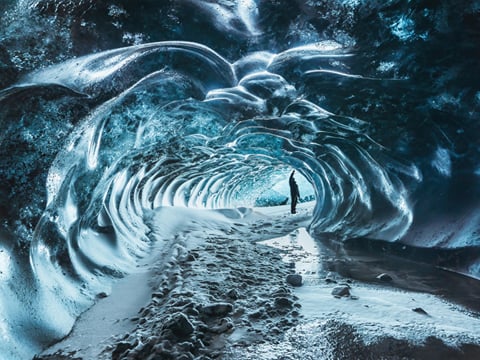
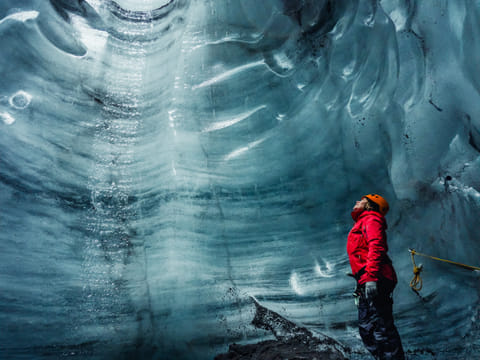
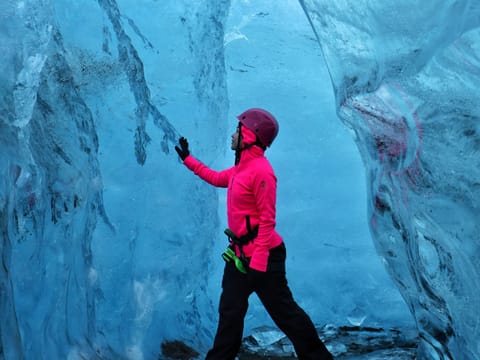
Worth it in winter, when the caves are real and the ice is blue; outside that window you are being sold a man-made tunnel under the same name, which is a different purchase at a higher price.
The short version
Worth it. Worth it in winter, when the caves are real and the ice is blue; outside that window you are being sold a man-made tunnel under the same name, which is a different purchase at a higher price.
We hold 58 day tours here from 25 operators, median €254 a person, cheapest €110.
Cheaper alternative: The lava tube at Raufarhólshellir is open all year, half an hour from Reykjavík, never cancels for weather and costs less. It is rock rather than ice, and it is the honest summer answer.
Worth it if
You are here between mid-November and March, which is the whole natural season.
You are already in the southeast, or doing a South Coast day that reaches Vík.
You accept that the cave can be cancelled on the morning and you have a spare day to rebook into.
Not worth it if
You are travelling between April and October. Book the Langjökull tunnel knowingly, or skip it.
You are claustrophobic. Some of these are narrow and the roof is low in places.
It is the last day of your trip. Warm weather, rain or a risen river closes caves at a day’s notice.
What you are actually paying for
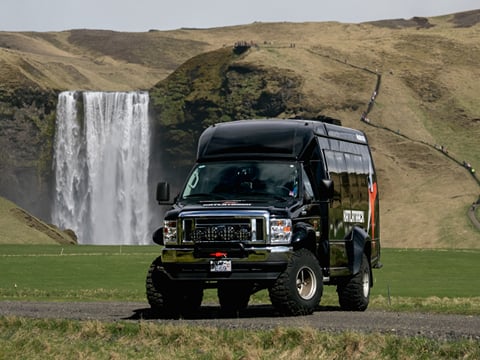
You are paying for a super jeep, a guide with a licence to take people under moving ice, and a short window. The Katla caves near Vík are cheaper to reach from Reykjavík; the Vatnajökull crystal caves are cheaper per tour but require you to already be at Jökulsárlón.
Across our own contracted catalogue, ice caves day tours run to a median of €254 a person, with the cheapest we hold at €110, from 25 operators. Private and per-vehicle products are excluded, because mixing them into a per-person figure makes it meaningless.
The cheaper thing to do instead
The lava tube at Raufarhólshellir is open all year, half an hour from Reykjavík, never cancels for weather and costs less. It is rock rather than ice, and it is the honest summer answer.
If you decide it is worth it
What we actually hold, with live prices and departures. Nothing here is a placeholder listing — if it is on this page, it can be booked.
Worth it in winter, when the caves are real and the ice is blue; outside that window you are being sold a man-made tunnel under the same name, which is a different purchase at a higher price.
Is there really a cave called the Crystal Cave?+
Not permanently. The name attaches to whichever clear-ice cave under Breiðamerkurjökull the guides have checked and opened that season. It moves and changes shape year to year, so you are booking a guided trip to this winter’s crystal cave rather than to a fixed address.
What is the difference between an ice cave and Into the Glacier?+
Into the Glacier is a machine-dug tunnel inside Langjökull, lit and fitted with handrails, open all year. A natural ice cave is carved by meltwater, changes every season and only opens when the ice is frozen solid. Both are impressive; only one is geology.
Why do ice cave tours get cancelled?+
Warm weather or rain puts meltwater back into the roof, a risen glacial river cuts off the entrance, or the ice has simply moved and closed the chamber. Operators cancel rather than risk it, and refund or rebook.
Why take our word for it
One checkout, any number of operators
Rankings are not for sale
206 operators vetted, and not all of them accepted